Is Solar Roofing Worth It in Maryland? A Cost-Benefit Analysis
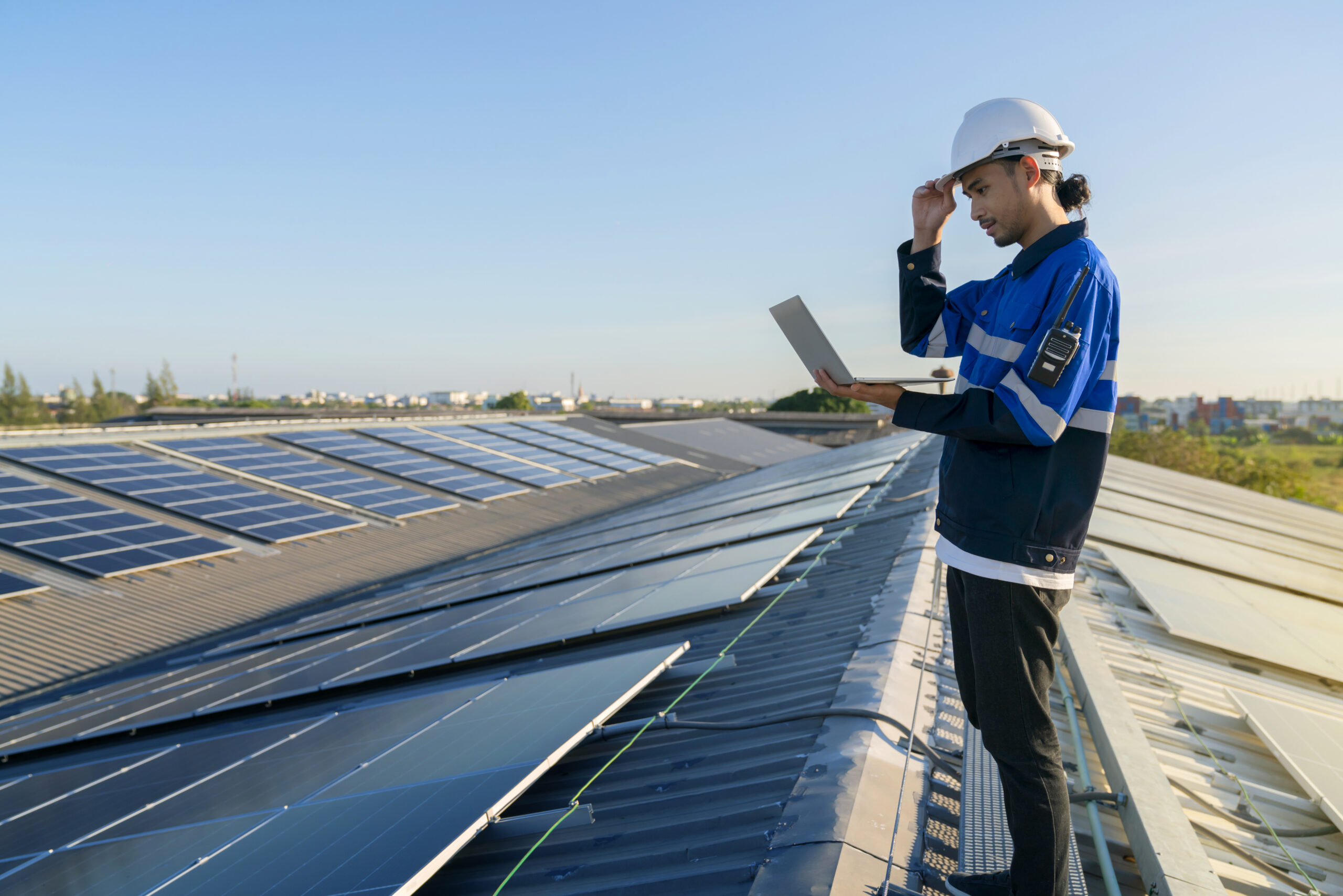
For eco-conscious homeowners in Maryland, solar roofing has emerged as a practical and environmentally responsible option to reduce utility bills and support clean energy. But before making the investment, it is essential to weigh the financial costs against the long-term savings and ecological benefits. This detailed analysis breaks down the cost, incentives, and returns on solar roofing in Maryland so you can make an informed decision.
Understanding Solar Roofing in Maryland
Solar roofing combines durable roofing materials with integrated solar technology, allowing your roof to generate clean electricity while protecting your home from the elements. Unlike traditional solar panels that sit on top of shingles, solar roofing systems use solar shingles or tiles that blend with the structure of your home, creating a seamless and more aesthetically pleasing look.
Maryland homeowners have seen a significant uptick in solar adoption due to the state’s focus on renewable energy goals. With rising electricity rates and strong state incentives, solar roofing has become an increasingly attractive option for those looking to reduce their carbon footprint and achieve energy independence.
To learn more about how solar roofing works and whether it might be right for you, visit the solar roofing solutions page.
The Costs of Solar Roofing
The cost of solar roofing varies depending on the size of your roof, your home’s energy usage, and the type of system you choose. On average, Maryland homeowners can expect to spend between $15,000 and $35,000 for a complete solar roofing system after federal tax incentives are applied.
Factors influencing cost include:
- Roof Size and Complexity: Larger or more complex roofs require more materials and labor.
- Type of Solar Roofing: Solar shingles tend to cost more per watt compared to traditional solar panels, but offer better aesthetics and integration.
- Energy Consumption: Systems are sized to meet your household’s energy needs, meaning higher-usage homes will require larger systems.
- Battery Storage (Optional): Adding battery storage increases the upfront cost but allows you to store excess energy for nighttime or outages.
While these costs may seem high, they must be considered in light of the potential energy savings and available financial incentives.
Incentives and Tax Credits
Maryland offers several programs that make solar roofing more affordable. These incentives reduce the overall cost and improve the return on investment:
- Federal Solar Tax Credit (ITC): Homeowners can claim 30% of the cost of their solar installation as a credit on federal taxes.
- Maryland Solar Renewable Energy Certificates (SRECs): For every 1,000 kilowatt-hours your system generates, you earn a certificate that can be sold to utility companies, creating an additional revenue stream.
- Net Metering: Excess electricity your system generates can be fed back to the grid, earning credits that offset future energy bills.
- Local Property Tax Exemptions: Some counties and municipalities offer property tax exemptions on the value added by your solar roofing system.
For details on available programs and qualifications, you can explore more on the about Johnson Roofing Service page.
Energy Savings and ROI
One of the most compelling reasons to invest in solar roofing is the potential for long-term energy savings. Maryland’s average residential electricity rate is higher than the national average, meaning that switching to solar can offset a substantial portion of your electric bill.
On average, a well-sized solar roof in Maryland can save homeowners $800 to $1,500 per year in electricity costs. Over a 25-year period, these savings often exceed the initial cost of installation, leading to a positive return on investment.
For example:
- Break-Even Point: Many Maryland homeowners reach a break-even point within 7 to 10 years after installation.
- Lifetime Savings: Depending on energy usage and rate increases, homeowners may save $20,000 to $40,000 over the lifetime of the system.
- Increased Home Value: Studies have shown that homes with solar installations sell for more and sell faster compared to similar homes without solar.
Environmental Benefits
Beyond the financial aspect, solar roofing provides a significant reduction in carbon emissions. A typical solar system in Maryland offsets several tons of CO₂ annually, which is equivalent to planting dozens of trees every year.
Other environmental benefits include:
- Reducing Dependence on Fossil Fuels: Solar energy reduces reliance on coal and natural gas for electricity.
- Supporting Maryland’s Renewable Energy Goals: The state has committed to increasing the share of electricity generated from renewable sources, and residential solar contributes directly to this goal.
- Sustainable Roofing Solution: Because solar shingles are integrated with the roof, they often have a longer lifespan than standard shingles, meaning fewer roof replacements over time.
Challenges and Considerations
While solar roofing has many benefits, it is not the right choice for every home. Consider the following factors:
- Roof Condition: If your roof is nearing the end of its lifespan, you may need to replace it before installing solar.
- Shading: Trees or nearby buildings that shade your roof may limit solar energy production.
- Upfront Cost: Even with incentives, solar roofing requires a substantial initial investment.
For homeowners with suitable roofs and adequate sun exposure, these challenges are often outweighed by the long-term savings and sustainability benefits.
If you want to discuss your home’s specific situation, you can reach out via email or call 301-949-1780 to get a professional consultation.
Final Thoughts
Solar roofing in Maryland offers both financial and environmental advantages. With strong state incentives, federal tax credits, and rising electricity rates, the investment often pays for itself within a decade while helping reduce your carbon footprint. For homeowners committed to sustainability, solar roofing is a practical step toward energy independence and environmental stewardship.
Before making a decision, it is wise to conduct a personalized cost-benefit analysis based on your roof type, electricity consumption, and budget. Consulting with a local expert can help ensure that you choose the right system and maximize your savings.
Frequently Asked Questions
1. How long does solar roofing last in Maryland?
Most solar roofing systems are designed to last 25 to 30 years, with many manufacturers offering warranties that cover performance and durability for two decades or more.
2. Will solar roofing work during Maryland’s cloudy winters?
Yes, solar roofing can still generate electricity during cloudy or snowy days, though production may be lower. Net metering helps balance seasonal variations by crediting you for excess energy produced during sunny months.
3. Can I add battery storage later if I install solar roofing now?
In many cases, battery storage can be added later. It is a good idea to discuss compatibility with your installer before committing to a system.
4. How does solar roofing affect home resale value?
Studies have shown that homes with solar installations sell at a premium and faster than comparable non-solar homes, making it a good long-term investment.
5. What is the maintenance requirement for solar roofing?
Solar roofing generally requires minimal maintenance beyond occasional cleaning and annual inspections to ensure everything is functioning efficiently.